


Hyperliquid’s HYPE Outperforms Bear Market as AQAv2 Nears Launch
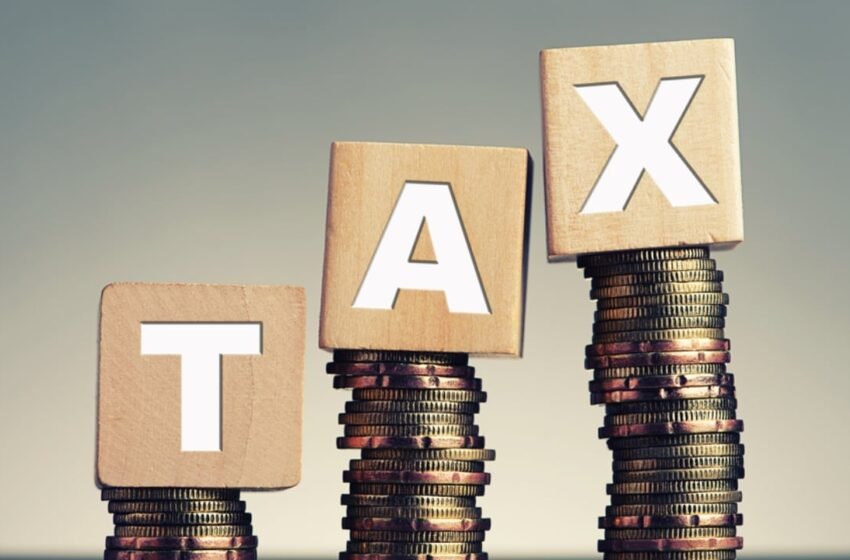
Crypto Investors Could Lose Key Tax Advantage Under New House Proposal – Bitcoin News
(Originally posted on : Bitcoin News )
Key Takeaways
- Proposed legislation would extend wash sale restrictions to many cryptocurrency transactions.
- Investors could face limits on claiming losses after rapid asset repurchases.
- Exemptions cover qualified U.S. dollar stablecoins and digital assets acquired through staking, mining, and related validation activities.
House Proposal Would Bring Crypto Trades Under Wash Sale Restrictions
House Budget Chairman Jodey Arrington (R-TX) on June 17 issued a press release highlighting H.R. 9172, the “Applying Existing Tax Anti-Abuse Rules to Digital Assets Act.” The bill was introduced in the House on June 8 and referred to the House Ways and Means Committee, which oversees federal tax policy and revenue measures. The legislation would apply wash sale and constructive sale rules to digital assets.
Crypto investors could lose a tax advantage tied to loss harvesting, a tax-planning strategy in which investors sell assets at a loss to offset taxable gains and reduce their tax bill. The IRS treats digital assets as property for federal income tax purposes, leaving many crypto trades outside wash sale rules written for stocks and securities. Current rules generally allow investors to claim certain losses even if they quickly re-enter a similar position.
“America should lead the world in digital asset innovation, but that innovation shouldn’t come with preferential treatment in the tax code. Today, digital assets are exempt from anti-abuse rules that apply to other investment assets, creating loopholes that undermine parity and equal treatment under the law,” Arrington said, adding:
“My Applying Existing Tax Anti-Abuse Rules to Digital Assets Act closes these loopholes by applying the same commonsense safeguards that already apply to similar traditional financial assets, providing greater certainty for taxpayers and supporting the continued growth of America’s digital asset economy.”
The legislation would make several changes to existing tax rules. One of the most significant provisions is found in Section 2, which would change the wash sale statute by replacing “stock or securities” with “specified assets.” That new category would include stocks, securities, and digital assets, except qualified U.S. dollar stablecoins. The change would generally block quick repurchases that preserve the same market position after a tax-loss sale.
Investors would need to watch the same 30-day window used in traditional markets. A loss could be denied when a taxpayer sells a covered asset and enters a substantially identical position within 30 days before or after the transaction. The bill also extends similar treatment to certain short sales and futures contracts.
Stablecoins, Staking, and Mining Get Different Treatment
Qualified U.S. dollar stablecoins would sit outside the bill’s wash sale definition. The proposal also protects digital assets received through validation activities, including staking, mining, and similar work used to support digital asset transactions. Those carve-outs would limit the reach of the wash sale expansion.
Tokenized and wrapped assets receive separate treatment in the bill. A tokenized digital asset, or certain wrapped digital assets, could be treated as substantially identical to an economically equivalent stock, security, or digital asset. That language targets trades that recreate the same economic exposure through a different digital form.
House Ways and Means Committee Chairman Jason Smith (R-MO) said: “Bad actors should not be able to game the system and evade longstanding anti-abuse rules by moving from traditional financial assets to digital assets.” He stressed:
“Congress established anti-abuse rules like the wash sale and constructive sale provisions to close loopholes and protect the integrity of our tax system. However, because those rules were created before digital assets existed, a regulatory gap has emerged that some individuals have exploited.”
The bill would also expand constructive sale rules to digital assets, excluding qualified U.S. dollar stablecoins. Constructive sale rules generally apply when investors use certain transactions to effectively lock in investment gains without selling the asset and recognizing taxable income. H.R. 9172 would add digital assets to that framework and include language covering widely traded digital assets.
The proposal defines a “widely traded digital asset” as one that is actively traded on an exchange and meets certain size and ownership requirements. Generally, the asset must have a market value exceeding $500 million during the previous year, and the taxpayer and related parties cannot own more than 10% of it. The $500 million threshold would be adjusted for inflation after 2027.
H.R. 9172 does not create a new crypto tax rate. It changes how existing anti-abuse rules would apply to digital assets, with wash sale changes covering dispositions after the bill’s introduction and constructive sale changes covering constructive sales after that date.



 Bitcoin
  Ethereum
  Tether
  BNB
BNB  XRP
XRP  USDC
USDC  Solana
  TRON
TRON  Lido Staked Ether
  Figure Heloc
  Hyperliquid
  Dogecoin
  Zcash
Zcash  Rain
Rain  USDS
USDS  LEO Token
  Wrapped stETH
  Chainlink
  WhiteBIT Coin
  Wrapped Bitcoin
  Cardano
  Binance Bridged USDT (BNB Smart Chain)
  Monero
  Wrapped Beacon ETH
  Stellar
  Bitcoin Cash
  Dai
Dai  Wrapped eETH
  Canton
  Ethena USDe
  sUSDS
sUSDS  Gram (prev. Toncoin)
  USD1
USD1  Litecoin
  Coinbase Wrapped BTC
  Global Dollar
  Hedera
  Avalanche
  WETH
WETH  Sui
Sui  Shiba Inu
  Circle USYC
  USDT0
USDT0  PayPal USD
  Tether Gold
  Cronos
  BlackRock USD Institutional Digital Liquidity Fund
  MemeCore
  NEAR Protocol
  Uniswap
  Ethena Staked USDe
  OKB
OKB  Bittensor
  Ondo US Dollar Yield
  PAX Gold
  Aster
Aster  World Liberty Financial
  Ripple USD
  Ondo
Ondo  Aave
Aave  Mantle
  Little Pepe
  Wrapped BOT
  syrupUSDC
  Pump.fun
  Morpho
  HTX DAO
  Sky
Sky  Pepe
Pepe  USDD
USDD  Polkadot
  Worldcoin
  Ethena
  Internet Computer
  Falcon USD
  BFUSD
BFUSD  Bitget Token
  Bitway
  United Stables
  Spiko Amundi Overnight Swap Fund (EUR)
  Jupiter Perpetuals Liquidity Provider Token
  USDGO
USDGO  Ethereum Classic
  Pi Network
  KuCoin
  Blockchain Capital
  Jito Staked SOL
  POL (ex-MATIC)
  Spiko EU T-Bills Money Market Fund
  Kelp DAO Restaked ETH
  Quant
Quant  Janus Henderson Anemoy Treasury Fund
  Binance-Peg WETH
  JUST
JUST  Rocket Pool ETH
  Algorand
  NEXO
NEXO  Binance Bridged USDC (BNB Smart Chain)
  Cosmos Hub
  Stable