
BYDFi Joins Coinfest Asia 2026, Connecting With Institutions, Builders and
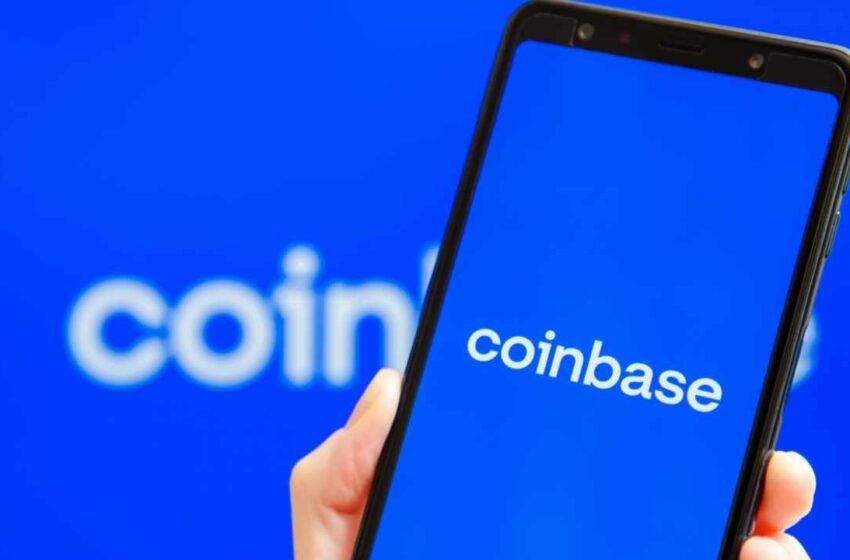
Coinbase Showcases Progress Toward All-in-One Financial Platform – Bitcoin News
(Originally posted on : Bitcoin News )
Key Takeaways
- Coinbase emphasized progress across tokenized stocks, perpetual derivatives, AI-powered tools, payments and onchain infrastructure.
- Its broader strategy centers on expanding access to more assets, markets and financial tools through one platform.
- Several products are live, while others remain limited by jurisdiction, rollout timing or restricted availability.
How Coinbase Is Building Beyond Crypto Trading
Crypto exchange Coinbase (Nasdaq: COIN) published on July 1 a monthly recap outlining progress toward making more assets tradable through a single platform, highlighting tokenized stocks, pre-IPO perpetual contracts, stock options, crypto options, and equity index perpetual-style futures.
The crypto firm shared on X:
“We spent the first half of the year building toward one idea: every asset, every market, one platform.”
The most closely watched element was tokenized stocks, described as 1:1-backed shares of U.S. companies. These are expected to include dividends, along with on-chain trading, holding, and redemption. The company said the instruments are not derivatives or IOUs, while noting they will not be available to U.S. persons.
Derivatives formed another major part of the strategy, with pre-IPO perps starting with SpaceX and later extending to OpenAI and Anthropic. The platform also highlighted stock options, crypto options through its Deribit integration and expiration-free U.S. perps. Together, those products suggest a push to combine traditional market exposure with crypto-native trading structures.
Can AI Turn a Trading App Into a Financial Operating System?
Coinbase also placed artificial intelligence (AI) inside its broader financial stack through Coinbase Advisor, an SEC-registered AI-powered investment adviser built into the app. The tool is designed to support portfolio analysis, automated tax loss harvesting and other services. It is being rolled out to subscribers of its premium Coinbase One service.
The company’s AI strategy also extends into autonomous agents, allowing users to connect software agents to accounts under defined guardrails. Those agents can execute trades, manage portfolios and interact with tools tied to Base MCP, which provides standardized connections to onchain apps, and x402, a payments protocol that lets agents send and receive USDC for services. The broader system supports transfers, swaps, lending and borrowing across Base applications, with user approval available for transactions.
That direction makes the platform more than a venue for buying and selling crypto. A redesigned advanced trading interface, thousands of stocks and exchange-traded funds (ETFs) for U.S. traders, and a unified global liquidity pool all point toward a wider financial hub. The real test is whether users will trust one platform with that many financial functions.
On July 3, Brian Armstrong, Coinbase’s chief executive, shared on X:
“Coinbase is one of the most AI-enabled companies in the world, based on all the feedback I hear. We’re in the age of the super builder.”
How Stablecoins Anchor Coinbase’s Wider Financial Stack
Infrastructure developments gave the strategy more reach, especially across stablecoins and global access. The company said it is live in India with direct INR rails, became the official deployer of Hyperliquid’s USDC treasury wallet and partnered with Ethena across more than $5 billion in assets. It also cited a roughly $4.4 billion USDC transfer to the Hyperliquid deployer.
Stablecoins became the connective layer across payments, custody and settlement. The update pointed to ProShares’ IQMM, described as a money market ETF built for stablecoin reserves; Open USD, a stablecoin initiative; Spiko’s instant stablecoin access to European UCITS funds; Checkout; and MassPay as part of a broader payments strategy.
The central question is how much of this progress becomes durable usage rather than product breadth alone. Availability still varies by jurisdiction, and some features remain limited or in development. The next evidence will come from liquidity, adoption, regulatory access and whether the platform can join assets, payments, AI and onchain finance into one trusted system.



 Bitcoin
  Ethereum
  Tether
  BNB
BNB  XRP
XRP  USDC
USDC  Solana
  TRON
TRON  Hyperliquid
  Lido Staked Ether
  Figure Heloc
  Dogecoin
  Zcash
Zcash  Rain
Rain  USDS
USDS  LEO Token
  Chainlink
  Wrapped stETH
  WhiteBIT Coin
  Cardano
  Wrapped Bitcoin
  Monero
  Binance Bridged USDT (BNB Smart Chain)
  Stellar
  Wrapped Beacon ETH
  Bitcoin Cash
  Dai
Dai  Ethena USDe
  Wrapped eETH
  Canton
  USD1
USD1  sUSDS
sUSDS  Litecoin
  Gram (prev. Toncoin)
  Global Dollar
  Coinbase Wrapped BTC
  Hedera
  Avalanche
  Sui
Sui  WETH
WETH  Shiba Inu
  Circle USYC
  PayPal USD
  USDT0
USDT0  Tether Gold
  Cronos
  BlackRock USD Institutional Digital Liquidity Fund
  MemeCore
  NEAR Protocol
  Uniswap
  OKB
OKB  Ethena Staked USDe
  Bittensor
  Ondo US Dollar Yield
  PAX Gold
  Aster
Aster  World Liberty Financial
  Ripple USD
  Ondo
Ondo  Aave
Aave  Mantle
  Pump.fun
  Little Pepe
  Wrapped BOT
  HTX DAO
  syrupUSDC
  Sky
Sky  Pepe
Pepe  USDD
USDD  Morpho
  Polkadot
  Worldcoin
  Internet Computer
  Ethena
  Falcon USD
  BFUSD
BFUSD  Bitway
  Bitget Token
  United Stables
  Spiko Amundi Overnight Swap Fund (EUR)
  Ethereum Classic
  Jupiter Perpetuals Liquidity Provider Token
  USDGO
USDGO  KuCoin
  Pi Network
  POL (ex-MATIC)
  Blockchain Capital
  Jito Staked SOL
  Quant
Quant  Spiko EU T-Bills Money Market Fund
  Kelp DAO Restaked ETH
  NEXO
NEXO  Janus Henderson Anemoy Treasury Fund
  Binance-Peg WETH
  JUST
JUST  Rocket Pool ETH
  Algorand
  Cosmos Hub
  Binance Bridged USDC (BNB Smart Chain)
  Invesco Short Duration US Government Securities Fund