


Ripple No Longer Member of BIS Cross-Border Payments Task Force
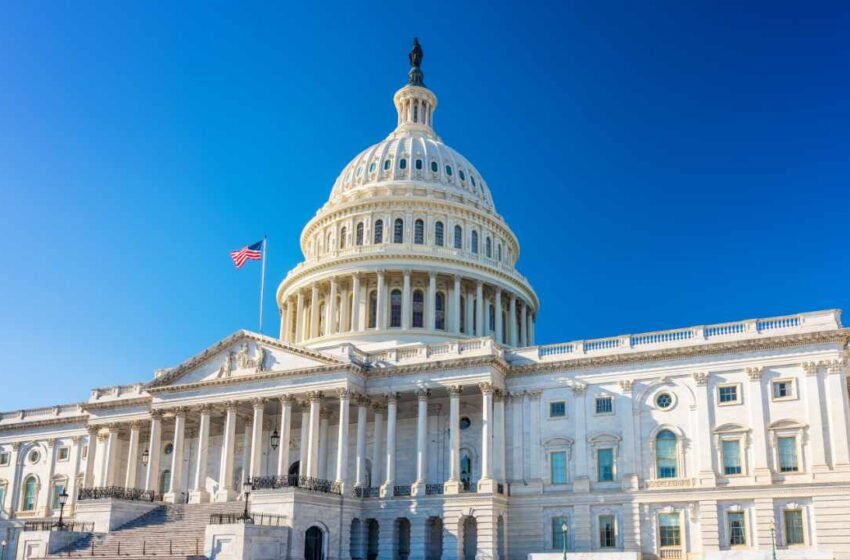
CLARITY Act Passage Odds Cut to 30% as Senate Vote Faces Challenges
(Originally posted on : Bitcoin News )
Key Takeaways
- Galaxy Research reduced its CLARITY Act passage estimate from 50% to 30% as Senate negotiations face new obstacles.
- The 616-page bill combines crypto market structure rules with ethics, enforcement, custody, and stablecoin provisions.
- Supporters face a difficult vote calculation as lawmakers seek the 60 votes required to overcome a Senate filibuster.
Galaxy Research Lowers CLARITY Act Outlook After Final Senate Text
Galaxy Research lowered its estimate for the CLARITY Act becoming law in 2026 to 30% after the Senate released combined legislative text, increasing pressure on lawmakers to resolve disputes before the August recess.
The revised outlook came from Galaxy Research Head of Firmwide Research Alex Thorn after lawmakers published the 616-page bill, which combines proposals from the Senate Agriculture Committee and Senate Banking Committee with new provisions covering ethics, enforcement, stablecoins, and custody rules.
Thorn previously estimated the bill had a 50% chance of becoming law after committee progress, but the firm reduced its outlook as negotiations became more difficult and the Senate calendar tightened. Galaxy Research previously lowered CLARITY Act odds to 50% as lawmakers faced mounting pressure to complete the legislation.
The head of research detailed in a July 24 article on X:
“We are lowering our estimate of the probability that CLARITY becomes law in 2026 to 30%.”
Senate Vote Math Creates Challenge for Bipartisan Support
The CLARITY Act contains 104 numbered sections across four divisions and preserves several industry priorities, including developer protections, self-custody safeguards, and rules for digital asset intermediaries. The bill also creates new enforcement tools targeting crypto-related fraud, including elder scams and “pig-butchering” operations, while establishing requirements for qualified digital asset custodians.
Thorn highlighted the challenge facing supporters:
“The bill may not even have a clear majority-party majority in hand, much less the 60 votes required to overcome a filibuster.”
The vote calculation has become the central challenge for supporters, with lawmakers needing bipartisan backing to move the legislation through the Senate.
Ethics Provisions Become Major Point of Disagreement
The latest CLARITY Act draft introduced a new ethics division restricting certain senior government officials and their spouses from issuing or sponsoring digital assets while serving in office.
The proposal establishes disclosure requirements and assigns enforcement authority to the Department of Justice (DOJ). The provision has drawn criticism from lawmakers who want stronger safeguards around conflicts of interest and financial crime.
Democratic lawmakers involved in negotiations pushed for stronger ethics rules, consumer protections, illicit finance safeguards, and market integrity provisions. Seven Democrats, including Senators Mark Warner, Angela Alsobrooks, Cory Booker, Catherine Cortez Masto, Ruben Gallego, John Hickenlooper, and Raphael Warnock, said the current text fell short. U.S. Senator Elizabeth Warren (D-MA) separately criticized the draft, calling for stronger measures to prevent financial crime.
The dispute has added another challenge for negotiators attempting to build support for the legislation before the Senate’s August recess.
Crypto Industry Watches Legislative Window
The CLARITY Act would establish federal rules for digital asset classifications, exchange oversight, custody requirements, and regulatory responsibilities between the U.S. Securities and Exchange Commission (SEC) and Commodity Futures Trading Commission (CFTC). The framework has drawn attention from crypto companies and investors seeking clearer rules for operating in the United States.
With the Senate approaching its August recess, the remaining legislative window has become a key factor in the bill’s outlook. Crypto businesses and voters continue watching whether lawmakers can resolve disagreements and advance the legislation before election-year priorities reshape the congressional schedule.
The debate follows a longer effort to create federal crypto market rules, with lawmakers previously struggling to finalize a framework. The latest round of negotiations has kept the CLARITY Act’s future uncertain as supporters work to overcome political divisions.
The ethics provisions remain one of the biggest points of disagreement, with lawmakers debating government accountability, oversight standards, and financial crime protections. Democratic lawmakers criticized the CLARITY Act draft after raising concerns about the proposal’s safeguards.

 Bitcoin
  Ethereum
  Tether
  BNB
BNB  XRP
XRP  USDC
USDC  Solana
  TRON
TRON  Lido Staked Ether
  Figure Heloc
  Zcash
Zcash  Hyperliquid
  Dogecoin
  Chainlink
  Monero
  Wrapped stETH
  USDS
USDS  WhiteBIT Coin
  Cardano
  Wrapped Bitcoin
  Rain
Rain  Binance Bridged USDT (BNB Smart Chain)
  Wrapped Beacon ETH
  LEO Token
  Stellar
  NEAR Protocol
  Bitcoin Cash
  Wrapped eETH
  Uniswap
  sUSDS
sUSDS  Litecoin
  Avalanche
  Canton
  Ethena USDe
  Coinbase Wrapped BTC
  Sui
Sui  Dai
Dai  Hedera
  WETH
WETH  USD1
USD1  Gram (prev. Toncoin)
  Quant
Quant  USDT0
USDT0  Bitway
  Bittensor
  Shiba Inu
  Tether Gold
  Cronos
  Global Dollar
  PayPal USD
  Ethena Staked USDe
  Pump.fun
  OKB
OKB  Ripple USD
  Ethena
  Aave
Aave  Ondo
Ondo  Circle USYC
  MemeCore
  Ondo US Dollar Yield
  Little Pepe
  Mantle
  Wrapped BOT
  syrupUSDC
  BlackRock USD Institutional Digital Liquidity Fund
  Polkadot
  Aster
Aster  Sky
Sky  Worldcoin
  Internet Computer
  PAX Gold
  Morpho
  Pepe
Pepe  World Liberty Financial
  HTX DAO
  USDD
USDD  United Stables
  Spiko Amundi Overnight Swap Fund (EUR)
  Ethereum Classic
  Bitget Token
  Jupiter Perpetuals Liquidity Provider Token
  Falcon USD
  Arbitrum
  BFUSD
BFUSD  Venice Token
  POL (ex-MATIC)
  Jito Staked SOL
  Kaspa
Kaspa  USDGO
USDGO  Kelp DAO Restaked ETH
  Gate
Gate  Algorand
  Binance-Peg WETH
  Rocket Pool ETH
  Jupiter
  JUST
JUST  Pi Network
  Binance Bridged USDC (BNB Smart Chain)
  KuCoin
  Render