
A Maryland Man Won $50,000 Twice in a Year, and It Came Down to Persistence
(Originally posted on : Bitcoin News )
Key Takeaways
- Maryland Lottery paid a Waldorf player $50,000 twice within about 1 year.
- Dash In sold the July 17 ticket, highlighting the tech behind lottery validation.
- Maryland Lottery’s 2 wins show how secure systems handle prizes and claims.
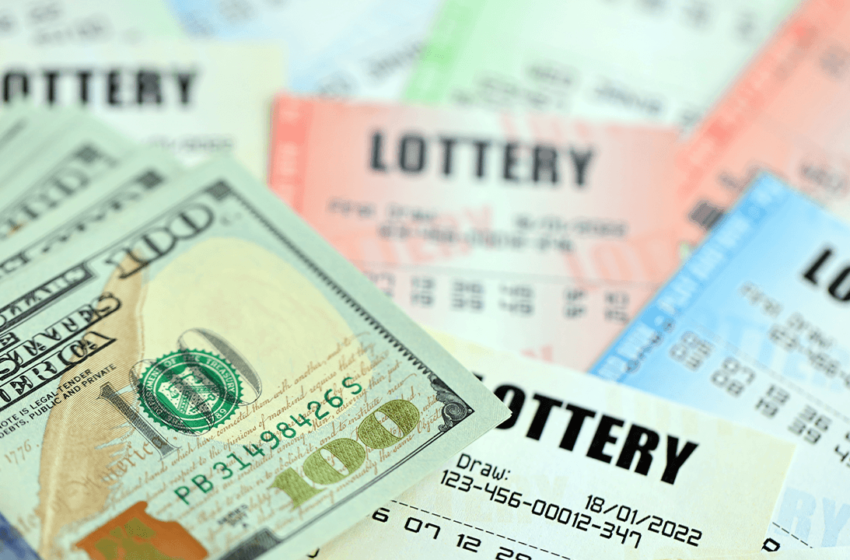
For about 20 years, a lottery regular in Waldorf, Maryland kept at it, scratching and checking tickets the way most people scroll their phones. On 7/17, his routine stop at the Dash In on Smallwood Drive turned into a “Winner. See retailer” message after he ran a Bonus Match 5 ticket. It was not the first time recently that the Maryland Lottery had delivered him a serious surprise, with an earlier $50,000 hit coming via a Second Chance entry. Around Charles County, where locals joke about miracles, his streak reads less like folklore than pure persistence finally paying twice.
A small Maryland story that doubles as a tech-business one
Every so often, a local headline sneaks into the broader tech conversation. This week it comes from Waldorf, Maryland, where a longtime player hit the same-sized prize twice in a year. The amounts are modest by Powerball standards, but the mechanics behind the wins, and the way lotteries run like tightly regulated fintech, are worth a closer look.
Two hits, same amount, two different systems
According to the Maryland Lottery, a Waldorf resident claimed $50,000 twice within about a year, after playing for more than 20 years. The latest win came from Bonus Match 5, using a Quick Pick ticket for the July 17 drawing, where he matched all 5 numbers.
His earlier win, per the reporting cited locally, came through the lottery’s Second Chance feature, the kind of “non-winning tickets can still win” program that depends on back-end identity checks, ticket validation logic, and databases designed to prevent duplicate claims. To most players, it feels like a simple extra entry. Operationally, it is a carefully audited promotional rail.
The retail tech hiding behind “see retailer”
The winning ticket was bought at Dash In, 2007 Smallwood Drive in Waldorf, and the player said the terminal message read “Winner. See retailer.” That little prompt is the visible tip of a point-of-sale workflow: the store scanner reads the ticket barcode, pings the lottery’s validation system, and returns a result that determines whether the prize can be paid on the spot or must be handled by the lottery directly.
In this case, he later went to lottery headquarters in Baltimore to collect. It is a reminder that lotteries, like banks, use tiered payout rules and in-person verification for larger amounts, balancing customer convenience with controls that help deter altered tickets, stolen claims, and retailer-side errors.
Why one county can look “luckier” than it is
Waldorf sits in Charles County, and locals sometimes talk about a hot streak. But the more practical explanation is volume: more players, more tickets scanned, more “wins” that bubble up into conversation. Is it “luck,” or just a dense sampling of transactions? Usually it is the latter.
For the tech industry, the takeaway is familiar. A lottery is a consumer product wrapped around secure transaction processing, random number generation, and compliance reporting, built to hold up under scrutiny. Even a pair of $50,000 wins can show how much infrastructure stands behind a single printed slip of paper.

 Bitcoin
  Ethereum
  Tether
  BNB
BNB  XRP
XRP  USDC
USDC  Solana
  TRON
TRON  Lido Staked Ether
  Zcash
Zcash  Figure Heloc
  Hyperliquid
  Dogecoin
  Chainlink
  Monero
  Wrapped stETH
  WhiteBIT Coin
  USDS
USDS  Wrapped Bitcoin
  Cardano
  Rain
Rain  Binance Bridged USDT (BNB Smart Chain)
  Wrapped Beacon ETH
  LEO Token
  Stellar
  NEAR Protocol
  Bitcoin Cash
  Wrapped eETH
  Uniswap
  sUSDS
sUSDS  Litecoin
  Canton
  Sui
Sui  Ethena USDe
  Coinbase Wrapped BTC
  Avalanche
  Dai
Dai  Gram (prev. Toncoin)
  WETH
WETH  USD1
USD1  Hedera
  Bittensor
  USDT0
USDT0  Shiba Inu
  Cronos
  Bitway
  Global Dollar
  Quant
Quant  Ethena
  PayPal USD
  Ethena Staked USDe
  MemeCore
  Ondo
Ondo  Tether Gold
  OKB
OKB  Ripple USD
  Circle USYC
  Aave
Aave  Pump.fun
  BlackRock USD Institutional Digital Liquidity Fund
  Little Pepe
  Ondo US Dollar Yield
  Wrapped BOT
  syrupUSDC
  Mantle
  Polkadot
  Worldcoin
  Aster
Aster  Morpho
  Sky
Sky  PAX Gold
  World Liberty Financial
  Pepe
Pepe  Internet Computer
  USDD
USDD  Arbitrum
  HTX DAO
  Ethereum Classic
  Spiko Amundi Overnight Swap Fund (EUR)
  United Stables
  Jupiter Perpetuals Liquidity Provider Token
  Venice Token
  Bitget Token
  USDGO
USDGO  Falcon USD
  Kaspa
Kaspa  Jito Staked SOL
  BFUSD
BFUSD  POL (ex-MATIC)
  Kelp DAO Restaked ETH
  Gate
Gate  Jupiter
  Binance-Peg WETH
  Rocket Pool ETH
  Lighter
  Algorand
  Render
  Binance Bridged USDC (BNB Smart Chain)
  PancakeSwap
  JUST
JUST