
Why Draper University Is Betting $70K on in-Person Acceleration
(Originally posted on : Bitcoin News )
Key Takeaways
- Draper University partners with Cardano to offer Web3 founders up to $70,000 for 3.5% equity.
- Program prioritizes RWA tokenization and institutional DeFi over consumer apps to build future TradFi rails.
- Silicon Valley cohort measures success over 6–12 months post-Demo Day via ecosystem growth and TVL metrics.
Prioritizing Infrastructure Over Consumer Apps
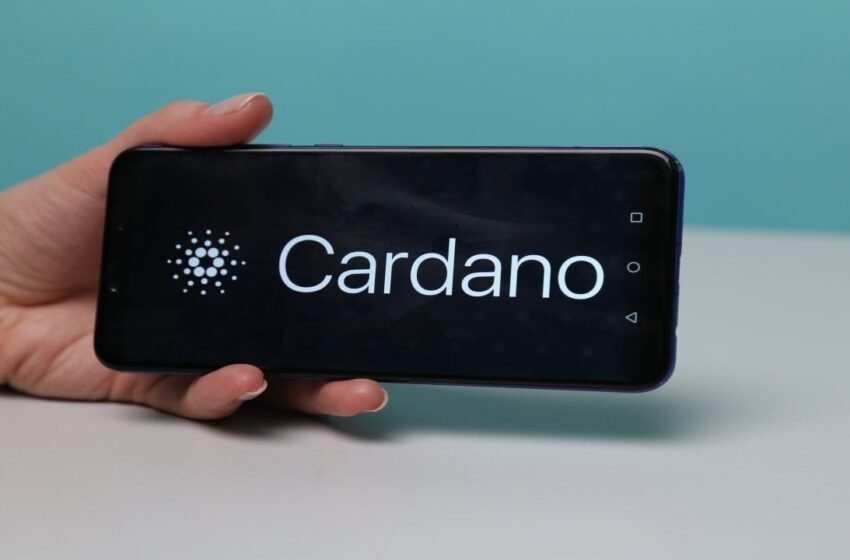
Draper University has announced the Apex Growth Accelerator, a 10-week Silicon Valley residency program created in partnership with the Cardano Foundation and Orion Fund to scale early-stage Web3 startups. Offering up to $70,000 in seed capital for a target 3.5% equity stake, the residency is built specifically for investment-ready teams operating on the Cardano network. Applications are open through Sept. 1, with the core in-person program commencing Oct. 12 at Draper University’s San Mateo campus.
The accelerator focuses on high-growth financial verticals, specifically real-world asset (RWA) tokenization, institutional decentralized finance (DeFi), and enterprise-grade blockchain infrastructure.
“These aren’t separate categories anymore,” said Byron Murphy, Head of Growth at Cometa Labs, Draper Dragon’s in-house venture studio. “RWA tokenization and institutional DeFi are increasingly becoming the infrastructure through which consumers access, own and trade assets.”
Murphy noted that bringing traditional asset classes—such as securities, commodities, and physical assets—on-chain eliminates friction and reduces costs. “We’ve moved beyond proving that tokenization works. The question now is what can be built on top of it,” Murphy said. “The next wave of adoption will come from the intersection of TradFi and DeFi, and we want to invest in that transition now.”
While Draper Dragon maintains interest in consumer-facing Web3 applications, officials emphasized that the current residency prioritizes building foundational rails for institutional and mainstream financial adoption.
The Case for in-Person Acceleration
Contrary to the industry’s trend toward fully remote programs, Draper University requires founders to complete the core 10-week residency on-site, with an optional four-week extension available afterwards.
“We’ve always put a special emphasis on in-person because we’ve consistently found that it produces a different level of intensity,” said Daria Nikolaeva, Growth and Marketing Lead at Draper University. “Founders are surrounded by people who push them, motivate them and give them honest feedback… When you put a community of high-achievers in the same building, they naturally push each other to move faster.”
Nikolaeva highlighted that in-person proximity is critical for distributed decentralized teams, allowing founders to make decisions faster and accelerate investor relationships that typically take months to navigate remotely.
The program plans to graduate a cohort of 10 companies, concluding with a Demo Day pitching session to Web3 venture funds and institutional investors. However, program officials insist graduation numbers are not the primary success metric.
“Graduating 10 companies is the starting point, not the outcome,” said Aaliyah Barker, Program Manager at Draper University. “For us, success starts with the founders: are they raising capital, winning customers and building companies that continue to grow six or twelve months after the residency?”
Barker noted that unlike grant-based accelerators, the program’s equity model links founder performance directly to long-term ecosystem health, aiming to boost Cardano’s total value locked (TVL) and on-chain activity over time. “Because this is equity, the real yield is long-term value creation,” Barker said. “The goal is one continuous line: founders raise and grow, that growth drives more economic and on-chain activity, and successful companies ultimately create value that can compound back into the ecosystem.”



 Bitcoin
  Ethereum
  Tether
  BNB
BNB  XRP
XRP  USDC
USDC  Solana
  TRON
TRON  Lido Staked Ether
  Figure Heloc
  Zcash
Zcash  Hyperliquid
  Dogecoin
  USDS
USDS  Chainlink
  Monero
  Wrapped stETH
  WhiteBIT Coin
  Wrapped Bitcoin
  Cardano
  LEO Token
  Binance Bridged USDT (BNB Smart Chain)
  Rain
Rain  Wrapped Beacon ETH
  NEAR Protocol
  Stellar
  Bitcoin Cash
  Wrapped eETH
  Litecoin
  sUSDS
sUSDS  Ethena USDe
  Uniswap
  Canton
  Avalanche
  Coinbase Wrapped BTC
  Sui
Sui  Dai
Dai  Blockchain USD
  Bitway
  WETH
WETH  USD1
USD1  Gram (prev. Toncoin)
  Hedera
  USDT0
USDT0  Quant
Quant  Tether Gold
  Shiba Inu
  Bittensor
  Global Dollar
  Cronos
  Ethena
  Ethena Staked USDe
  PayPal USD
  OKB
OKB  Aave
Aave  Pump.fun
  Ripple USD
  Ondo
Ondo  Circle USYC
  Ondo US Dollar Yield
  MemeCore
  Little Pepe
  BlackRock USD Institutional Digital Liquidity Fund
  Wrapped BOT
  syrupUSDC
  Polkadot
  Worldcoin
  Aster
Aster  Mantle
  PAX Gold
  Falcon USD
  Sky
Sky  World Liberty Financial
  Internet Computer
  Pepe
Pepe  Morpho
  Spiko Amundi Overnight Swap Fund (EUR)
  USDD
USDD  United Stables
  HTX DAO
  Bitget Token
  Jupiter Perpetuals Liquidity Provider Token
  Ethereum Classic
  BFUSD
BFUSD  USDGO
USDGO  Arbitrum
  Jupiter
  Jito Staked SOL
  Kaspa
Kaspa  JUST
JUST  Kelp DAO Restaked ETH
  Gate
Gate  Venice Token
  Binance-Peg WETH
  Rocket Pool ETH
  Algorand
  POL (ex-MATIC)
  KuCoin
  Binance Bridged USDC (BNB Smart Chain)
  Cosmos Hub