


Russia Classifies Crypto as Major Risk to Monetary Sovereignty
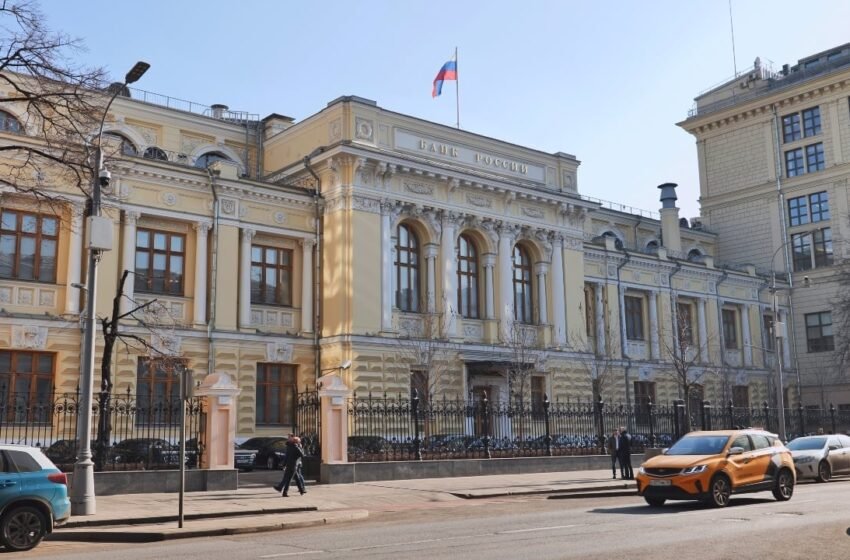
Russia Classifies Crypto as Major Risk to Monetary Sovereignty
(Originally posted on : Bitcoin News )
Key Takeaways
- The Bank of Russia listed cryptocurrencies as financial risks in its draft policy for 2027 to 2029.
- Under new rules, domestic retail investors face a strict annual cryptocurrency trading cap of about $3,700.
- Russian exporters and importers can now use Bitcoin to settle cross-border trade under legal regimes.
Central Bank Identifies Major Crypto Risks
The Bank of Russia has categorized cryptocurrencies and stablecoins as major financial market risks in its latest draft policy document. According to a report by Bits.media, the central bank expressed mounting concern over the potential for private digital currencies to undermine the Russian ruble and erode monetary sovereignty.
Officials also insist that investments in decentralized digital assets carry a high risk of total loss, citing an absence of legally accountable entities or collateral backing. Furthermore, the central bank cautioned that the cross-border and decentralized nature of cryptocurrencies enables illicit activity and facilitates the expansion of shadow markets beyond the reach of localized legal bans.
To address these vulnerabilities, the central bank is urging tight enforcement measures, advocating criminal liability for unlicensed platforms or exchanges facilitating digital currency circulation, and strict administrative fines for compliant participants violating established trading rules.
The unveiling of the policy document comes even as Russia moves to formalize its cryptocurrency industry. As recently reported by Bitcoin.com News, the country formally opened regulated cryptocurrency trading nationwide while capping retail investors at roughly $3,700 a year through licensed intermediaries.
Under the new rules, the Bank of Russia will oversee the country’s regulated cryptocurrency market, requiring exchanges, brokers and custodians to register as licensed intermediaries.
However, while the policy document is seen as undermining cryptocurrency trading or use, officials argue that the strategy is designed to protect the domestic financial system while leveraging digital assets externally.
The Dual-Track Strategy
While bitcoin and other digital assets allow Russian importers and exporters to bypass foreign financial intermediaries, the Bank of Russia remains opposed to cryptocurrency as legal tender or a daily payment method. Allowing widespread domestic adoption of cryptocurrencies or stablecoins risks replacing the Russian ruble, weakening the central bank’s ability to control inflation and manage interest rates.
Under experimental legal regime legislation, Russia allows select businesses to use cryptocurrencies under central bank supervision to settle international trade contracts. Beyond those controlled experimental pipelines, standard domestic retail usage, unlicensed exchanges and unverified transfers are heavily restricted to prevent capital flight and tax evasion.
Furthermore, agencies such as Rosfinmonitoring have direct visibility over cryptocurrency transactions inside Russia. Additionally, new regulations require Russian taxpayers to provide their tax identification numbers to hold or trade assets through licensed Russian digital depositaries.
Russia’s policy is not contradictory, but rather compartmentalized: Cryptocurrencies are viewed as a necessary tool for foreign trade under economic sanctions, but a risk to monetary stability when circulating freely within domestic borders.

 Bitcoin
  Ethereum
  Tether
  BNB
BNB  XRP
XRP  USDC
USDC  Solana
  TRON
TRON  Lido Staked Ether
  Figure Heloc
  Zcash
Zcash  Hyperliquid
  Dogecoin
  USDS
USDS  Monero
  WhiteBIT Coin
  Wrapped stETH
  Rain
Rain  Chainlink
  Wrapped Bitcoin
  LEO Token
  Binance Bridged USDT (BNB Smart Chain)
  Cardano
  Wrapped Beacon ETH
  Stellar
  Ethena USDe
  Dai
Dai  Wrapped eETH
  Bitcoin Cash
  USD1
USD1  sUSDS
sUSDS  Uniswap
  Litecoin
  Canton
  Coinbase Wrapped BTC
  Gram (prev. Toncoin)
  Hedera
  Avalanche
  WETH
WETH  Global Dollar
  NEAR Protocol
  Shiba Inu
  USDT0
USDT0  Sui
Sui  PayPal USD
  Cronos
  BlackRock USD Institutional Digital Liquidity Fund
  Tether Gold
  Circle USYC
  Bittensor
  Ethena Staked USDe
  MemeCore
  OKB
OKB  Ripple USD
  Ondo US Dollar Yield
  Aave
Aave  Bitway
  Aster
Aster  PAX Gold
  Mantle
  World Liberty Financial
  Little Pepe
  Wrapped BOT
  syrupUSDC
  Pump.fun
  Ondo
Ondo  Polkadot
  HTX DAO
  USDD
USDD  Morpho
  Sky
Sky  Pepe
Pepe  Ethena
  Internet Computer
  USDGO
USDGO  Spiko Amundi Overnight Swap Fund (EUR)
  Bitget Token
  Worldcoin
  Falcon USD
  United Stables
  Jupiter Perpetuals Liquidity Provider Token
  BFUSD
BFUSD  Ethereum Classic
  Lighter
  Pi Network
  Venice Token
  Jito Staked SOL
  POL (ex-MATIC)
  Gate
Gate  Kelp DAO Restaked ETH
  Blockchain Capital
  JUST
JUST  Binance-Peg WETH
  Rocket Pool ETH
  KuCoin
  Kaspa
Kaspa  Arbitrum
  Binance Bridged USDC (BNB Smart Chain)
  Quant
Quant  Algorand