


CFTC Secures Court Order Blocking Arizona Criminal Case Against Prediction
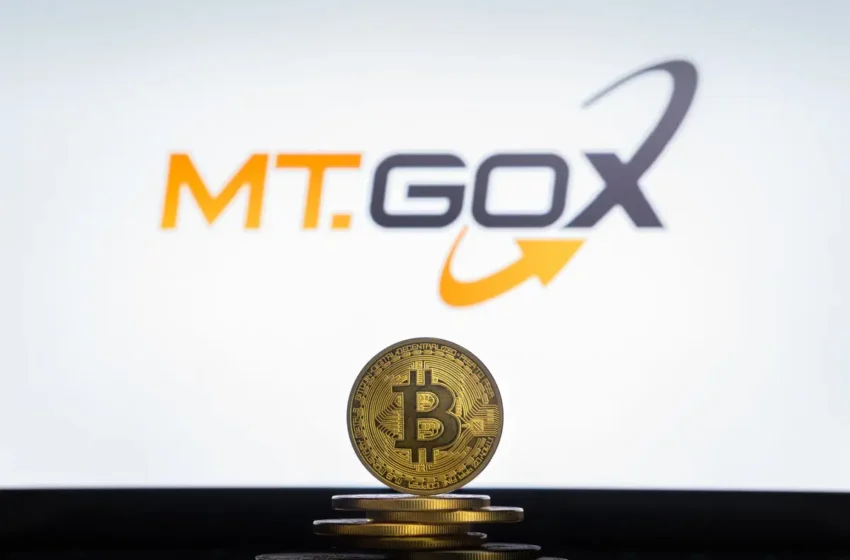
Mt Gox Founder Proposes Hard Fork To Recover Lost Bitcoin
(Originally posted on : Crypto News – iGaming.org )
Mark Karpelès has put forward a new idea aimed at recovering billions in Bitcoin tied to the long running Mt. Gox collapse. The former CEO is asking the Bitcoin community to consider a protocol level change that could allow nearly 80,000 BTC to be redistributed to creditors.
The coins in question have remained untouched for more than fifteen years and sit in a publicly tracked wallet linked to the historic breach.
Good to Know
- Proposal targets recovery of 79,956 Bitcoin linked to Mt. Gox hack
- Estimated value exceeds 5.2 billion dollars at current prices
- Any recovery would require a Bitcoin hard fork and full node upgrade
Proposal Would Require A Hard Fork To Move Dormant Coins
Karpelès shared the plan through GitHub, suggesting a new consensus rule that would allow the locked Bitcoin to move to a designated recovery address without access to the original private keys. He wrote:
“These coins have not moved in over 15 years. They are among the most well-known and publicly tracked UTXOs in Bitcoin’s history,” he wrote.
350% or 5BTC + 150 Spins!
New players only. Exclusive Welcome Bonus of 350% + 150 Free Spins
Under the concept, funds would then fall under the existing distribution process already managed by Mt. Gox trustee Nobuaki Kobayashi, who continues to oversee repayments tied to the bankruptcy estate.
Karpelès added:
“I want to be upfront: this is a hard fork. It makes a previously invalid transaction valid. All nodes would need to upgrade before the activation height. I’m not trying to disguise that fact or sneak it through as something else.”
Rather than pushing for immediate adoption, Karpelès framed the code submission as a starting point for discussion among developers, miners, and users.
Get 125% / $2,500 on 1st deposit!
New players only. Exclusive Welcome Bonus of up to $2,500
“The MtGox trustee has declined to pursue on-chain recovery, citing the uncertainty of whether such a consensus change would ever be adopted,” he said.
“This creates a deadlock: the trustee won’t act without certainty, and the community can’t evaluate the idea without a concrete proposal. This patch breaks that deadlock by providing something concrete to discuss.”
Critics Warn Of Risks To Bitcoin Core Principles
Reaction across forums such as Bitcointalk was swift and often critical. Many participants argued that rewriting consensus rules to reverse a theft could weaken one of Bitcoin most valued characteristics: immutability.
“Each time a hack incident [happens], someone will call for another new consensus rule to recover stolen funds. This will destroy the bitcoin concept in full,” wrote a forum user known as coupable.
Another member, PrivacyG, questioned the influence of legal systems on decentralized networks. “Bitcoin should be independent from what Law Enforcement decides in any [jurisdictions],” the user said.
Karpelès acknowledged that philosophical concern represents the central challenge to gaining support, while maintaining that the Mt. Gox case stands apart due to broad agreement about ownership history and the visibility of the stolen coins.
Get 125% / $2,500 on 1st deposit!
New players only. Exclusive Welcome Bonus of up to $2,500
Some Creditors Support Recovery Effort
Voices claiming to represent affected users expressed openness to the proposal, especially those who received only partial repayment during earlier distributions.
“If those coins ever move by whatever mechanism, then I am going to want my share of them back,” someone else said. “I’m a creditor and have been paid what little was left of my Bitcoin from the bankruptcy – I got about 15% back… I would support obtaining a court order to claim these coins.”
Mt Gox Collapse Still a Stain on the Crypto Industry Today
Mt. Gox operated from 2010 through 2014 and once handled roughly seventy percent of global Bitcoin transactions, making it the dominant exchange during early adoption years.
Security failures beginning in 2011 allowed attackers to siphon large amounts of Bitcoin, while internal technical problems contributed to additional losses that went unnoticed for long periods.
On February 24, 2014, a leaked document suggested insolvency after hundreds of thousands of Bitcoin disappeared. Bankruptcy protection was filed in Tokyo days later, with reports indicating losses of about 750,000 customer Bitcoin and 100,000 company held coins. At that time, the missing assets were valued near half a billion dollars, a figure that has since multiplied dramatically as Bitcoin prices climbed.


 Bitcoin
  Ethereum
  Tether
  XRP
XRP  BNB
BNB  USDC
USDC  Solana
  TRON
TRON  Figure Heloc
  Lido Staked Ether
  Dogecoin
  USDS
USDS  WhiteBIT Coin
  Hyperliquid
  Cardano
  LEO Token
  Wrapped stETH
  Bitcoin Cash
  Chainlink
  Wrapped Bitcoin
  Monero
  Binance Bridged USDT (BNB Smart Chain)
  Zcash
Zcash  Wrapped Beacon ETH
  Ethena USDe
  Canton
  Stellar
  Wrapped eETH
  MemeCore
  Dai
Dai  sUSDS
sUSDS  Litecoin
  USD1
USD1  Avalanche
  Coinbase Wrapped BTC
  PayPal USD
  Rain
Rain  Hedera
  WETH
WETH  Sui
Sui  Shiba Inu
  Toncoin
  USDT0
USDT0  Cronos
  Circle USYC
  Tether Gold
  World Liberty Financial
  Bittensor
  PAX Gold
  BlackRock USD Institutional Digital Liquidity Fund
  Ethena Staked USDe
  Mantle
  Polkadot
  Global Dollar
  Uniswap
  Sky
Sky  Falcon USD
  OKB
OKB  NEAR Protocol
  Pi Network
  Aster
Aster  Little Pepe
  syrupUSDC
  HTX DAO
  USDD
USDD  Pepe
Pepe  Aave
Aave  Internet Computer
  Ripple USD
  Bitget Token
  Janus Henderson Anemoy Treasury Fund
  Ondo US Dollar Yield
  Ethereum Classic
  BFUSD
BFUSD  Ondo
Ondo  KuCoin
  Gate
Gate  Quant
Quant  Pump.fun
  Jupiter Perpetuals Liquidity Provider Token
  Render
  Morpho
  Algorand
  Worldcoin
  Spiko EU T-Bills Money Market Fund
  Jito Staked SOL
  POL (ex-MATIC)
  Kaspa
Kaspa  Kelp DAO Restaked ETH
  Cosmos Hub
  NEXO
NEXO  Binance-Peg WETH
  USDtb
USDtb  Rocket Pool ETH
  Ethena
  Superstate Short Duration U.S. Government Securities Fund (USTB)
  Binance Bridged USDC (BNB Smart Chain)
  Blockchain Capital
  Arbitrum
  Wrapped BNB