


XRP Seoul Brings Tokenization, Yield, and Privacy Firms Together
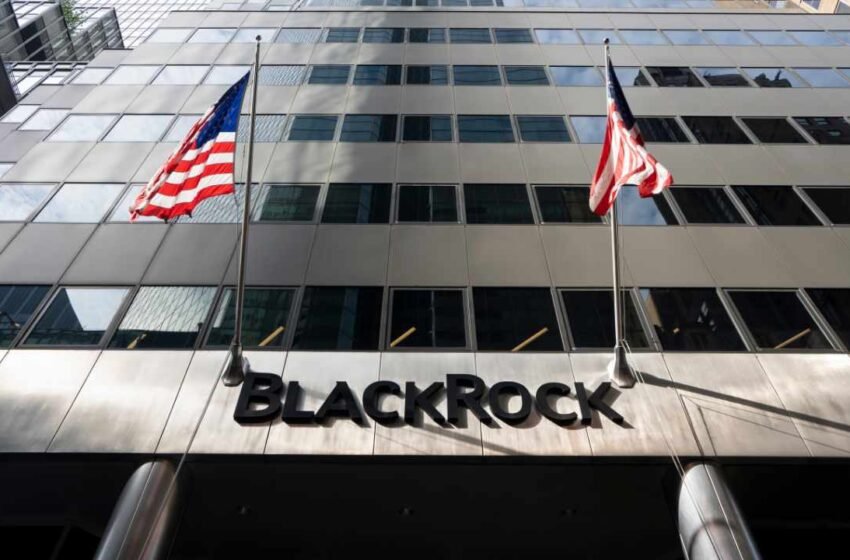
Blackrock Backs the CLARITY Act — Congress Is Running Out of Time to Pass It
(Originally posted on : Bitcoin News )
Key Takeaways
- Blackrock described the CLARITY Act as a framework supporting innovation and investor protection.
- Senate leaders are racing to advance the bill before the legislative calendar grows more crowded.
- Senator Thune expects the Senate’s work to extend beyond its approaching August recess.
Blackrock Adds Wall Street Pressure
Congress is running out of time to pass the CLARITY Act as the Senate’s legislative calendar grows more crowded.
Blackrock endorsed the CLARITY Act in a statement provided to Politico’s Morning Money, with Senior Managing Director and Global Head of Market Development Samara Cohen describing the legislation as:
“… an important step toward establishing a regulatory framework for digital assets that puts investors first.”
She added that the bill would “help the United States shape the next era of market structure” by supporting innovation while preserving transparency, resilience, and investor protections.
Her endorsement adds to growing support from traditional finance for federal cryptocurrency legislation. Fidelity’s call for Senate approval placed another major asset manager behind the proposal, while Goldman Sachs CEO David Solomon’s backing and Charles Schwab’s view that the legislation could accelerate digital asset adoption expanded Wall Street’s support for clearer digital asset rules.
The Senate’s Legislative Window Narrows
The Senate’s work has continued even as the legislative calendar tightens. Last week, Senate Republicans released updated CLARITY Act text reflecting the merged work of the Senate Banking and Agriculture committees, saying the coming weeks represent the best opportunity for years to enact comprehensive digital asset market structure legislation.
U.S. Senator John Thune (R-SD), the Senate majority leader, said the Senate’s work is likely to extend beyond the August recess, underscoring the limited time lawmakers have to advance the bill this year.
Thune’s comments have reinforced concerns that the Senate’s crowded legislative calendar could narrow the window for action on the CLARITY Act this year. With Republicans holding a 53-47 majority, most legislation still requires at least 60 votes to overcome procedural hurdles, leaving the bill dependent on bipartisan support. Those challenges prompted some policy analysts to reduce the bill’s estimated chances of passage this year to 30%.
Crypto Advocates Increase Pressure on Congress
Stand With Crypto renewed pressure on Congress by highlighting nearly one million contacts from supporters as lawmakers face a narrowing window to advance the CLARITY Act. The advocacy group, which says it has about three million registered members, reported more than 925,000 emails to Congress in 2025 and over 1.1 million contacts since its founding.
The crypto advocacy group is also raising the political stakes for senators weighing the legislation. Stand With Crypto said every Senate vote on the CLARITY Act will be added to its public congressional scorecard, allowing roughly three million registered advocates to see how lawmakers voted. The organization said the scorecard is intended to hold elected officials accountable on digital asset policy as the bill moves through the Senate.
What the CLARITY Act Changes for Investors
Under the proposal, the U.S. Securities and Exchange Commission (SEC) and the Commodity Futures Trading Commission (CFTC) would receive defined responsibilities covering different segments of the digital asset market. Issuers using certain exemptions would also face disclosure obligations involving their blockchain systems, operations, and token distributions.
Investors could receive more standardized information before purchasing covered digital assets, while compliant businesses would obtain clearer registration and trading pathways. Those requirements could influence which tokens reach regulated platforms, how exchanges handle customer assets, and which cryptocurrency services traditional financial institutions offer.



 Bitcoin
  Ethereum
  Tether
  BNB
BNB  XRP
XRP  USDC
USDC  Solana
  TRON
TRON  Lido Staked Ether
  Zcash
Zcash  Figure Heloc
  Hyperliquid
  Dogecoin
  Chainlink
  Monero
  WhiteBIT Coin
  Wrapped stETH
  USDS
USDS  Cardano
  Wrapped Bitcoin
  Rain
Rain  Binance Bridged USDT (BNB Smart Chain)
  Wrapped Beacon ETH
  LEO Token
  Stellar
  NEAR Protocol
  Bitcoin Cash
  Wrapped eETH
  Uniswap
  sUSDS
sUSDS  Litecoin
  Avalanche
  Canton
  Ethena USDe
  Coinbase Wrapped BTC
  Sui
Sui  Dai
Dai  Hedera
  WETH
WETH  USD1
USD1  Gram (prev. Toncoin)
  Quant
Quant  USDT0
USDT0  Bitway
  Bittensor
  Shiba Inu
  Tether Gold
  Cronos
  Global Dollar
  PayPal USD
  Ethena Staked USDe
  Pump.fun
  OKB
OKB  Ripple USD
  Ethena
  Aave
Aave  Ondo
Ondo  MemeCore
  Circle USYC
  Ondo US Dollar Yield
  Little Pepe
  BlackRock USD Institutional Digital Liquidity Fund
  Wrapped BOT
  syrupUSDC
  Mantle
  Polkadot
  Aster
Aster  Internet Computer
  Sky
Sky  Worldcoin
  PAX Gold
  World Liberty Financial
  Pepe
Pepe  Morpho
  USDD
USDD  HTX DAO
  United Stables
  Spiko Amundi Overnight Swap Fund (EUR)
  Ethereum Classic
  Arbitrum
  Jupiter Perpetuals Liquidity Provider Token
  Bitget Token
  Falcon USD
  BFUSD
BFUSD  Venice Token
  POL (ex-MATIC)
  Jito Staked SOL
  Kaspa
Kaspa  USDGO
USDGO  Kelp DAO Restaked ETH
  Gate
Gate  Algorand
  Binance-Peg WETH
  Rocket Pool ETH
  Jupiter
  JUST
JUST  Pi Network
  Binance Bridged USDC (BNB Smart Chain)
  KuCoin
  Render