


Brazil Bans Online Betting Before Election, Keeps $492M in Licensing
Brazil Bans Online Betting Before Election, Keeps $492M in Licensing Fees
(Originally posted on : Bitcoin News )
Key Takeaways
- Brazil’s Provisional Measure 1,394 bans sports betting and online casinos, with sites offline from Oct. 6.
- The 85 license holders get no refund of the $492 million they paid, and operators plan to sue.
- A companion bill would criminalize processing betting payments, including through crypto.
A Seismic iGaming Change Just Before Presidential Vote
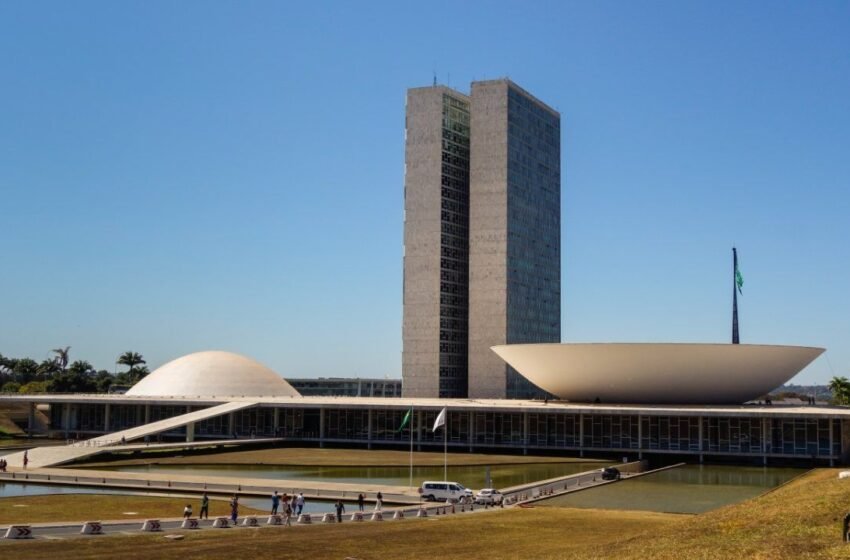
Brazil’s Provisional Measure 1,394 was published in an extra edition of the official gazette on the evening of Sept. 25 and took effect immediately. It prohibits the operation, offering, intermediation and advertising of all fixed-odds betting in Brazil, covering real sporting events and online casino games alike.
The ban explicitly reaches operators based abroad that serve people in Brazil, and it also ends betting concessions granted by Brazilian states. Other lotteries authorized by law are exempt. President Luiz Inácio Lula da Silva signed it at a ceremony in São Paulo, where Finance Minister Dario Durigan presented the measure. The move follows a week of reports that the government was drafting a ban by decree.
New deposits have been barred since publication. According to the government’s timetable, bettors have until 11:59 p.m. on Oct. 5 to withdraw their balances, and licensed sites and apps go dark from midnight on Oct. 6. Bets not settled by then are void and refunded in full. Operators then have two days to send each customer’s balance to their banks, identified by taxpayer number (CPF). Banks have seven days to return the money: the government sets that window at Oct. 9–14, with the state-owned bank Caixa Econômica Federal handling anything that third-party financial institutions cannot return. Operators that miss those obligations face a fine of $38,600 (R$200,000) per day.
The licenses, issued after the regulated market’s January 2025 opening and notionally for five years, will expire 30 days after the law’s publication, on October 25. The measure says the cancellation is in the public interest and gives operators no right to a full or partial refund of their license fees, or to any compensation. According to the government, it granted 85 licenses at $5.8 million (R$30 million) each, for a total of $492 million. Pending applications are void. All betting advertising and sponsorship is banned, and existing material must come down within 10 days. Internet platforms get a legal duty to stop betting content from circulating, and app stores and operating systems must block banned apps. Penalties range from warnings to fines of up to 10% of a group’s Brazilian revenue, and to suspension for repeat offenders.
Including Virtual Assets
While the measure itself never mentions crypto, the companion bill Lula sent to Congress the same day mentions processing, settling or intermediating betting payments “including through virtual assets,” according to the Justice Ministry. It would carry two to four years of prison, with a harsher sentence for concealing where the funds came from. The bill still needs both houses of Congress, and its full text has not yet been published in the Chamber of Deputies’ register.
When the government gained the power to freeze illegal operators’ funds in June, forfeiture required a court ruling. Under the new text, it is declared in an administrative proceeding in which the operator can present a defense, “and will not depend on prior judicial process.” Seized monies go to the National Public Security Fund. Brazil already banned sports and political prediction contracts in April.
The National Association of Games and Lotteries (ANJL) said it was “taking appropriate measures to overturn the provisional measure by taking the matter to court,” calling it “a move unprecedented in the global industry – aimed solely at perceived electoral gain in the race for the presidency,” iGaming Business reported.
Affiliate Better Collective cut its 2026 revenue growth guidance to 3–8% and its shares fell about 25% in Stockholm. “Removing that regulated market will not eliminate the underlying demand for betting,” co-CEO Jesper Søgaard said in a statement. “Instead, it risks pushing millions of players toward illicit offshore operators that have not made these investments, pay no local taxes and operate without the same player protections.”
European lottery group Allwyn said its Betano brand is “preparing legal action to protect its rights in Brazil.” Entain said it was “disappointed by this sudden development,” which came “without consultation of industry stakeholders,” and now expects to land at the low end of its 2026 earnings guidance, InterGame reported.
Lawmakers can file amendments until Oct. 1. Because the measure’s clock pauses during the congressional recess, Allwyn expects it to stay in force until early March 2027 even if lawmakers never vote on it. Lawyers who spoke to Estadão questioned whether the measure meets the constitutional test of urgency required for provisional measures. An Atlas/Bloomberg poll released days before the announcement found 75% of Brazilians support prohibiting online betting.
“It’s like a cancer. Either we get rid of the tumor, or this tumor will kill us,” Lula said after signing the measure. His main challenger, Senator Flávio Bolsonaro, son of former President Jair Bolsonaro and the Liberal Party (PL) candidate, called it “populist, hypocritical and electioneering.” He says he backs a ban on online casino games but wants to keep sports betting legal. The ban was a major issue throughout the campaign: AtlasIntel CEO Andrei Roman told Exame that measures like this mobilize voters more than they change votes.


 Bitcoin
  Ethereum
  Tether
  BNB
BNB  XRP
XRP  USDC
USDC  Solana
  TRON
TRON  Lido Staked Ether
  Zcash
Zcash  Figure Heloc
  Hyperliquid
  Dogecoin
  Chainlink
  Monero
  WhiteBIT Coin
  Wrapped stETH
  USDS
USDS  Cardano
  Wrapped Bitcoin
  Rain
Rain  Binance Bridged USDT (BNB Smart Chain)
  Wrapped Beacon ETH
  LEO Token
  Stellar
  Bitcoin Cash
  NEAR Protocol
  Wrapped eETH
  Uniswap
  sUSDS
sUSDS  Litecoin
  Hedera
  Canton
  Ethena USDe
  Coinbase Wrapped BTC
  Avalanche
  Dai
Dai  Sui
Sui  WETH
WETH  USD1
USD1  Gram (prev. Toncoin)
  Bittensor
  USDT0
USDT0  Tether Gold
  Cronos
  Shiba Inu
  Global Dollar
  Quant
Quant  Bitway
  PayPal USD
  Ethena Staked USDe
  Ethena
  Ripple USD
  MemeCore
  OKB
OKB  Ondo
Ondo  Circle USYC
  Ondo US Dollar Yield
  Aave
Aave  BlackRock USD Institutional Digital Liquidity Fund
  Little Pepe
  Pump.fun
  Wrapped BOT
  syrupUSDC
  Mantle
  Polkadot
  Aster
Aster  Sky
Sky  Worldcoin
  PAX Gold
  World Liberty Financial
  Pepe
Pepe  Internet Computer
  Morpho
  United Stables
  HTX DAO
  USDD
USDD  Spiko Amundi Overnight Swap Fund (EUR)
  Ethereum Classic
  USDGO
USDGO  Jupiter Perpetuals Liquidity Provider Token
  Bitget Token
  Falcon USD
  Arbitrum
  BFUSD
BFUSD  Venice Token
  Jito Staked SOL
  Kaspa
Kaspa  Algorand
  Kelp DAO Restaked ETH
  POL (ex-MATIC)
  Gate
Gate  Binance-Peg WETH
  Rocket Pool ETH
  Lighter
  Jupiter
  JUST
JUST  Binance Bridged USDC (BNB Smart Chain)
  KuCoin
  Pi Network