


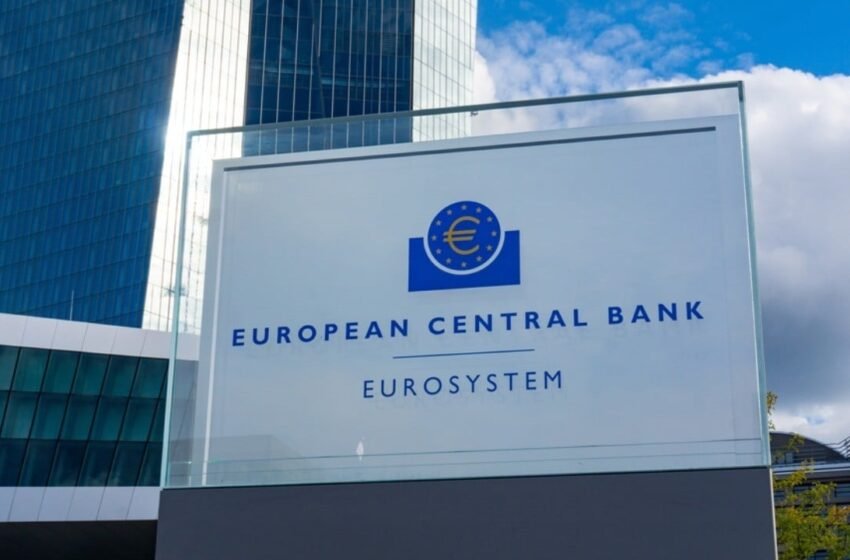
European Central Bank Connects Tokenized Assets to Central Bank Money – Bitcoin News
(Originally posted on : Bitcoin News )
Key Takeaways
- ECB launched Pontes on Sept. 21, linking tokenized assets to central-bank settlement.
- The platform could accelerate institutional tokenization by bridging DLT markets with TARGET.
- The ECB will expand Pontes and use it to shape Appia’s 2028 tokenized-finance blueprint.
Christine Lagarde Pushes ECB Into Tokenized Settlement
The European Central Bank (ECB) is taking tokenized finance out of the experimental phase.
Pontes, the Eurosystem’s new wholesale settlement platform, goes live today, Sept. 21, connecting banks and private distributed-ledger networks to the TARGET payment infrastructure.
This means tokenized securities can be settled using central bank money rather than relying exclusively on stablecoins, tokenized deposits or other private payment instruments. ECB President Christine Lagarde offered a simpler description. Lagarde said:
It’s digital euro made available for banks so that they can transact amongst themselves using tokenized assets and distributed ledger technology.
Banks Get a Bridge Between Blockchains and TARGET
Pontes is designed as an interoperability layer rather than another standalone crypto network.
Banks can settle through tokenized cash on the Eurosystem DLT platform or through T2, its real-time gross settlement system. Final settlement in central bank money provides the legal certainty required by institutional markets.
“They know that they can operate faster without friction and that it’s a journey that they have to embark upon,” Lagarde said.
The initial service remains limited, but the ECB plans progressively longer operating hours and other enhancements. Its longer-term Appia initiative will use those lessons as a blueprint for an integrated European tokenized financial system by 2028.
Why Pontes Matters for Crypto and Tokenization
For banks, asset managers and tokenization companies, the significance is the settlement asset. Institutional blockchain markets can tokenize bonds, funds and other securities, but scaling them becomes harder if the cash side remains fragmented across private networks.
Pontes gives those markets access to the eurozone’s safest settlement asset while preserving central bank money at the center of the financial system. The ECB’s own research estimates tokenized traditional assets on public blockchains reached a total valuation of about $43.6 billion (€38 billion) in February, up from $8.5 billion (€7.4 billion) at the start of 2024.
Retail Digital Euro Is a Separate 2027 Test
Pontes should not be confused with the consumer-facing digital euro.
The ECB plans a 12-month retail pilot beginning in the second half of 2027, involving 36 payment providers, selected merchants and Eurosystem staff. Any eventual issuance remains dependent on EU legislation, with the ECB currently targeting potential issuance in 2029.
Unlike Pontes, the current retail digital-euro design is not blockchain-based and would use a centralized settlement platform.
For crypto markets, Pontes may be the more immediate development: Europe’s central bank is now putting its own settlement infrastructure directly behind the tokenization trade.



 Bitcoin
  Ethereum
  Tether
  BNB
BNB  XRP
XRP  USDC
USDC  Solana
  TRON
TRON  Lido Staked Ether
  Figure Heloc
  Zcash
Zcash  Hyperliquid
  Dogecoin
  Chainlink
  USDS
USDS  Wrapped stETH
  Monero
  WhiteBIT Coin
  Wrapped Bitcoin
  Cardano
  LEO Token
  Binance Bridged USDT (BNB Smart Chain)
  NEAR Protocol
  Wrapped Beacon ETH
  Rain
Rain  Stellar
  Bitcoin Cash
  Wrapped eETH
  Litecoin
  sUSDS
sUSDS  Canton
  Avalanche
  Uniswap
  Ethena USDe
  Coinbase Wrapped BTC
  Bitway
  Sui
Sui  Blockchain USD
  Dai
Dai  WETH
WETH  USD1
USD1  Hedera
  Gram (prev. Toncoin)
  USDT0
USDT0  Quant
Quant  Tether Gold
  Bittensor
  Shiba Inu
  Ethena
  Global Dollar
  Cronos
  Ethena Staked USDe
  PayPal USD
  Pump.fun
  OKB
OKB  Aave
Aave  Ondo
Ondo  Ripple USD
  Circle USYC
  Ondo US Dollar Yield
  BlackRock USD Institutional Digital Liquidity Fund
  Polkadot
  Little Pepe
  Wrapped BOT
  syrupUSDC
  MemeCore
  Worldcoin
  Aster
Aster  Internet Computer
  Mantle
  Sky
Sky  PAX Gold
  Falcon USD
  World Liberty Financial
  Pepe
Pepe  USDD
USDD  Morpho
  Spiko Amundi Overnight Swap Fund (EUR)
  United Stables
  HTX DAO
  Bitget Token
  Jupiter Perpetuals Liquidity Provider Token
  Ethereum Classic
  Arbitrum
  BFUSD
BFUSD  USDGO
USDGO  Venice Token
  Jito Staked SOL
  Jupiter
  Algorand
  Kelp DAO Restaked ETH
  Kaspa
Kaspa  Gate
Gate  Binance-Peg WETH
  Rocket Pool ETH
  JUST
JUST  POL (ex-MATIC)
  KuCoin
  Binance Bridged USDC (BNB Smart Chain)
  Filecoin