


Tether Co-Founder Says Stablecoin 2.0 Will Put Reserves Onchain
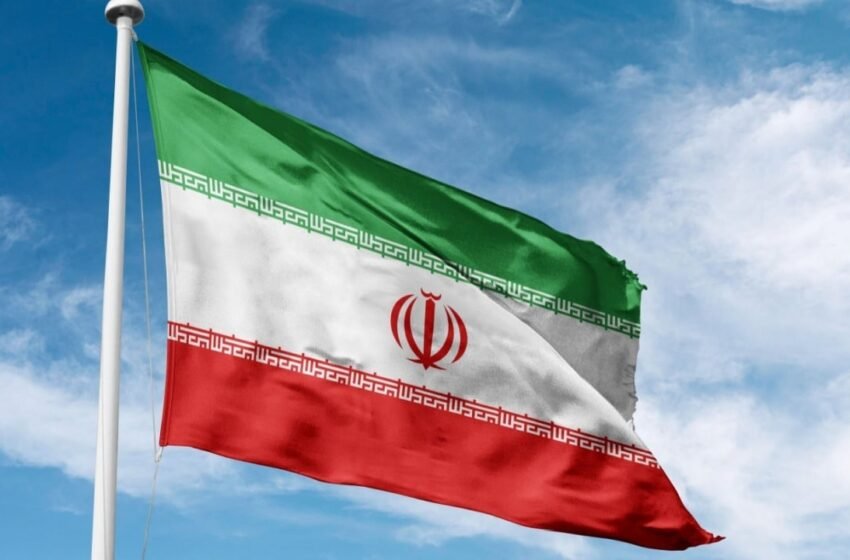
Iran’s Rial Hits Record Low of 1.95 Million per Dollar as US Pressure Mounts
(Originally posted on : Bitcoin News )
Key Takeaways
- Iran’s rial fell to about 1.95 million per dollar on July 20, days after breaking the previous record of 1.9 million set May 4.
- The IMF projects Iran’s economy will contract 6.1% in 2026, with average inflation expected to reach 68.9%.
- Bitcoin traded near $64,239 on July 20 as markets watch whether the failing U.S.-Iran truce reignites volatility.
A Currency in Free Fall
The dollar was quoted near 1.95 million rials in Iran’s open market on July 20, capping a brutal stretch for the currency. The greenback had already touched 1.918 million rials on July 17, crossing the previous record of 1.9 million rials set on May 4.
London-based broadcaster Iran International attributed the slide to “damage to energy and transport infrastructure, lower production and exports, and disruption around the Strait of Hormuz,” compounded by sanctions, war damage and years of economic mismanagement.
The International Monetary Fund (IMF) now expects Iran’s economy to contract by 6.1% in 2026, reversing an earlier forecast of modest growth, while average inflation is projected to reach 68.9%. At the current exchange rate, Iran’s official monthly minimum wage of 166,255,500 rials converts to roughly $87.
Ceasefire on the Brink
The latest leg down has tracked the unraveling of the truce that briefly steadied the region in June. Reports cited renewed U.S. pressure and the collapsing ceasefire as the immediate drivers of the rial’s slump. Each round of escalation has fed through to the street, where the weakening currency raises the cost of imported goods, raw materials and medicine, sparking fears of higher food prices across the country.
For ordinary Iranians, the arithmetic grows harsher by the week. A currency that traded near 1.47 million per dollar at the start of 2026 has now shed roughly a quarter of its remaining value in about seven months, eroding wages and savings in real time.
Crypto Markets Are Watching
Digital asset markets have repeatedly moved on the same headlines and Bitcoin.com News reported recently that bitcoin topped $66,000 when the U.S.-Iran framework was first announced, triggering a risk-on rally across markets, and later jumped above $67,000 as the deal’s progress liquidated $198 million in crypto shorts. The truce’s collapse has since sapped that optimism.
Bitcoin is changing hands near $64,250 at press time, down about 0.5% over 24 hours. Traders believe a fresh escalation could revive the volatility that accompanied earlier rounds of the conflict.
The currency crisis has also revived questions about Iran’s financial workarounds. Famed “Rich Dad Poor Dad” author Robert Kiyosaki recently linked Iran’s yuan-based oil payments to his long-running warnings about U.S. dollar weakness, arguing the shift could intensify pressure on the greenback over time.
What Comes Next
The framework agreed in June called for International Atomic Energy Agency inspectors to return and deferred the details of Iran’s nuclear program to follow-on talks. Whether those talks survive the current escalation may determine whether the rial finds a floor.
With the IMF forecasting deeper contraction, inflation approaching 70%, and the ceasefire fraying, Iran’s currency crisis has become one of the clearest examples this year of how quickly geopolitical risk can translate into monetary collapse.


 Bitcoin
  Ethereum
  Tether
  BNB
BNB  XRP
XRP  USDC
USDC  Solana
  TRON
TRON  Lido Staked Ether
  Zcash
Zcash  Figure Heloc
  Hyperliquid
  Dogecoin
  Monero
  WhiteBIT Coin
  USDS
USDS  Wrapped stETH
  Chainlink
  Cardano
  Wrapped Bitcoin
  Rain
Rain  Binance Bridged USDT (BNB Smart Chain)
  LEO Token
  Wrapped Beacon ETH
  Stellar
  Bitcoin Cash
  Uniswap
  Wrapped eETH
  NEAR Protocol
  sUSDS
sUSDS  Litecoin
  Ethena USDe
  Dai
Dai  Avalanche
  Coinbase Wrapped BTC
  USD1
USD1  Canton
  Gram (prev. Toncoin)
  WETH
WETH  Hedera
  Sui
Sui  Shiba Inu
  USDT0
USDT0  Global Dollar
  Bittensor
  Cronos
  MemeCore
  Bitway
  PayPal USD
  Tether Gold
  Ethena Staked USDe
  OKB
OKB  Circle USYC
  Ripple USD
  BlackRock USD Institutional Digital Liquidity Fund
  Mantle
  Ondo US Dollar Yield
  Aave
Aave  Ondo
Ondo  Ethena
  Morpho
  Little Pepe
  Wrapped BOT
  syrupUSDC
  Polkadot
  Aster
Aster  PAX Gold
  Pump.fun
  Pepe
Pepe  World Liberty Financial
  Sky
Sky  Internet Computer
  HTX DAO
  USDD
USDD  Ethereum Classic
  Worldcoin
  United Stables
  Spiko Amundi Overnight Swap Fund (EUR)
  Arbitrum
  Venice Token
  Jupiter Perpetuals Liquidity Provider Token
  Bitget Token
  USDGO
USDGO  Falcon USD
  Lighter
  BFUSD
BFUSD  Jito Staked SOL
  Gate
Gate  Kaspa
Kaspa  Kelp DAO Restaked ETH
  Akedo
Akedo  POL (ex-MATIC)
  Binance-Peg WETH
  Rocket Pool ETH
  Quant
Quant  KuCoin
  Blockchain Capital
  Binance Bridged USDC (BNB Smart Chain)
  Pi Network
  Algorand