

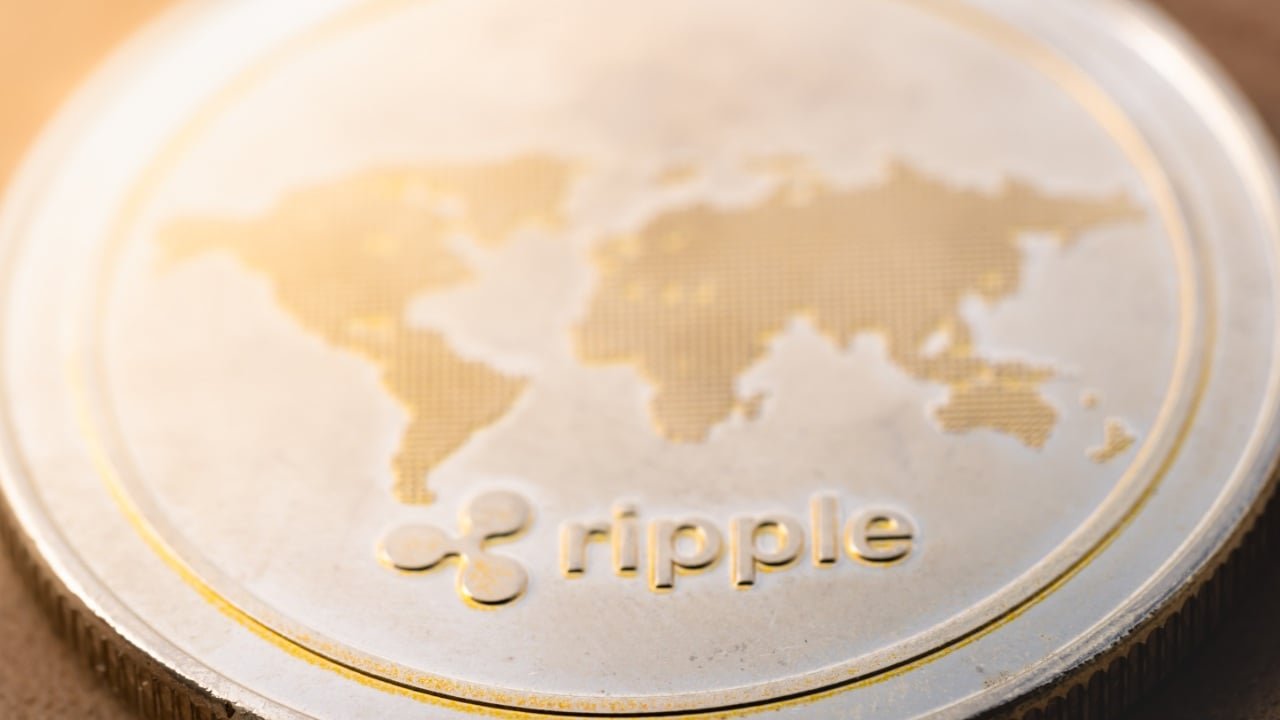
Ripple’s Korean Expansion Reaches From Remittances to Government Bonds

New York Warns of Fake Crypto and AI as Scam Losses Hit $8 Billion
(Originally posted on : Bitcoin News )
Key Takeaways
- Investment scam losses surpassed $8 billion in 2025.
- AI helps fraudsters create convincing voices, videos, and ads.
- Fake crypto projects impersonate established businesses to lure investors.
Investment Scam Losses Rise 38%
Investment scams became the costliest fraud category tracked by the Federal Trade Commission in 2025, according to New York officials. The state’s Division of Consumer Protection issued an AI investment scam warning on Aug. 26 after 144,041 consumers reported losing more than $8 billion, a 38% increase from 2024. The median reported loss reached $10,560.
The schemes can begin through social media, dating apps, text messages, emails, online advertisements, or apparently friendly conversations. The FTC’s own April consumer alert put the same 2025 total at more than $7.9 billion, with a median individual loss above $10,000. That agency listed cryptocurrency alongside stocks and forex among the investments scammers pitch through fake coaching offers.
Secretary of State Walter T. Mosley cautioned:
“New Yorkers need to be vigilant against scammers, who may be able to create increasingly sophisticated and realistic messaging using AI technology or other means to steal your hard-earned money. If it seems too good to be true, it probably is.”
AI Deepfakes Promote Fake Crypto Investments
Artificial intelligence allows fraudsters to clone voices, fabricate videos, impersonate financial figures, and produce polished social media advertisements. An April warning from New York Attorney General Letitia James described schemes involving deepfake celebrity endorsements, fraudulent cryptocurrencies, pump-and-dump operations, and fake trading platforms promoted across Facebook, Instagram, and Whatsapp.
Victims may encounter professional-looking applications that display fabricated balances, returns, and trading activity. Some operators permit small initial withdrawals to establish credibility before pressing targets to deposit larger amounts. Similar tactics have appeared internationally, with Australian regulators recently dismantling 3,106 fraudulent cryptocurrency investment platforms during the 2026 financial year as AI-generated endorsements became increasingly difficult to distinguish from authentic promotions.
Fake Platforms Build Trust Before Demanding Fees
A separate Australian case showed how organized groups build an entire fake internet around a crypto investment that does not exist. Investigators detailed counterfeit trading platforms, fabricated news articles, and chatbots posing as support staff, deployed before a woman lost nearly $74,690. Operators may then ask for additional fees before releasing funds, which New York’s alert tells consumers never to pay.
New York officials advised consumers to confirm the identity of any promoter, verify the company and investment, and establish where their money will go before transferring funds. Common crypto scam warning signs include guaranteed high returns, unsolicited investment offers, high-pressure sales tactics, and projects lacking clear documentation. Anyone who suspects fraud should stop sending money immediately and report it to the FTC, the FBI’s Internet Crime Complaint Center, the SEC, or the New York Attorney General.


 Bitcoin
  Ethereum
  Tether
  BNB
BNB  XRP
XRP  USDC
USDC  Solana
  TRON
TRON  Lido Staked Ether
  Figure Heloc
  Zcash
Zcash  Hyperliquid
  Dogecoin
  USDS
USDS  Monero
  WhiteBIT Coin
  Wrapped stETH
  Chainlink
  LEO Token
  Wrapped Bitcoin
  Cardano
  Binance Bridged USDT (BNB Smart Chain)
  Stellar
  Wrapped Beacon ETH
  Rain
Rain  NEAR Protocol
  Bitcoin Cash
  Wrapped eETH
  Ethena USDe
  sUSDS
sUSDS  Dai
Dai  Litecoin
  Uniswap
  Canton
  Coinbase Wrapped BTC
  Avalanche
  USD1
USD1  Blockchain USD
  Sui
Sui  WETH
WETH  Gram (prev. Toncoin)
  Hedera
  Tether Gold
  USDT0
USDT0  Bitway
  Global Dollar
  Bittensor
  Shiba Inu
  PayPal USD
  Quant
Quant  Cronos
  Ethena Staked USDe
  Ethena
  OKB
OKB  Ripple USD
  Circle USYC
  Ondo US Dollar Yield
  Aave
Aave  BlackRock USD Institutional Digital Liquidity Fund
  Ondo
Ondo  Pump.fun
  Falcon USD
  Little Pepe
  Wrapped BOT
  syrupUSDC
  Aster
Aster  Polkadot
  MemeCore
  PAX Gold
  World Liberty Financial
  Worldcoin
  USDD
USDD  Mantle
  Spiko Amundi Overnight Swap Fund (EUR)
  Pepe
Pepe  Sky
Sky  Internet Computer
  Morpho
  United Stables
  HTX DAO
  Bitget Token
  Jupiter Perpetuals Liquidity Provider Token
  BFUSD
BFUSD  USDGO
USDGO  Ethereum Classic
  Arbitrum
  JUST
JUST  Jito Staked SOL
  Gate
Gate  Venice Token
  Kelp DAO Restaked ETH
  Jupiter
  KuCoin
  Binance-Peg WETH
  Rocket Pool ETH
  POL (ex-MATIC)
  Kaspa
Kaspa  Algorand
  Binance Bridged USDC (BNB Smart Chain)
  Blockchain Capital