


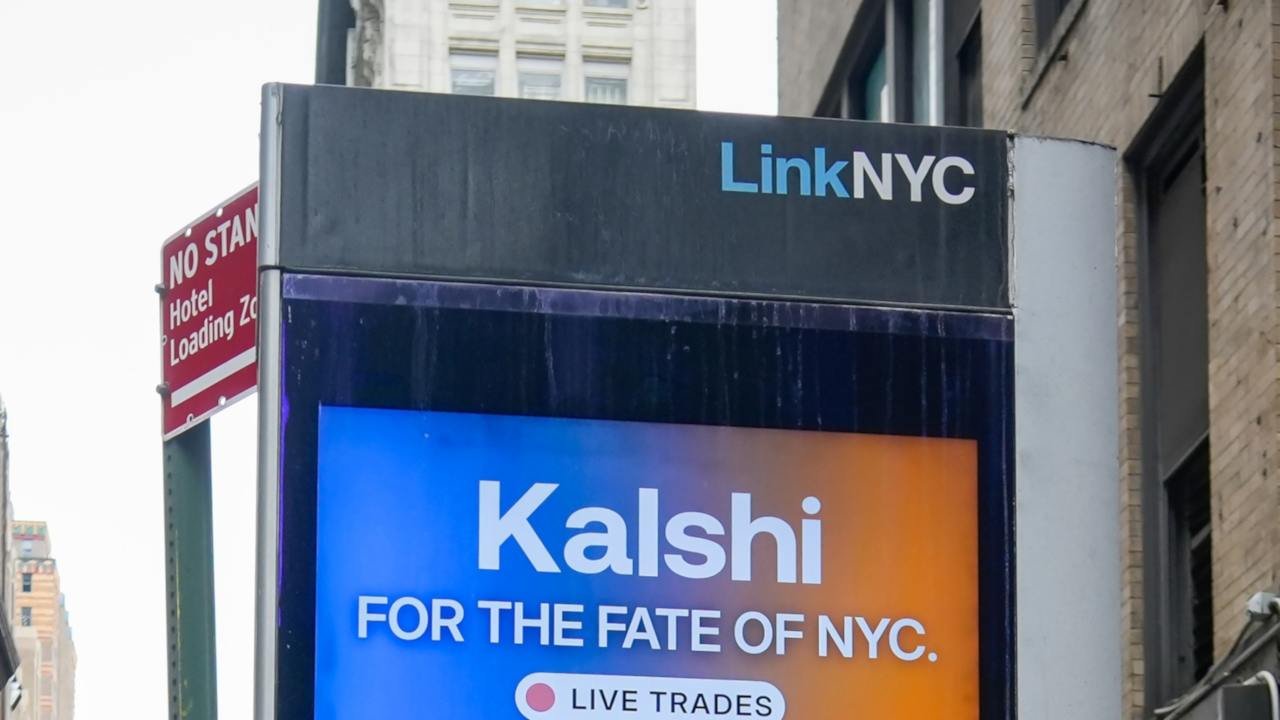
$5 Billion of Nearly Identical Kalshi Trades Draw CFTC Scrutiny

US Forces Press Iran Campaign as Brent Nears $92 and Tanker Traffic Keeps Falling
(Originally posted on : Bitcoin News )
Key Takeaways
- U.S.-Iran combat cut Strait of Hormuz transits by nearly 50% to 127 vessels for the week ending July 19.
- Brent crude spiked toward $92 per barrel as Indian Oil Corp. suspended Iraqi oil loadings amid security risks.
- Goldman Sachs warned that prolonged shipping blockades could push Brent crude past $120 per barrel in Q4 2026.
Military Escalation Hits Infrastructure
Brent crude oil surged toward $92 per barrel Tuesday as intense combat between U.S. forces and Iran stretched into its tenth day. The global benchmark Brent briefly touched a peak of $91.63 per barrel before easing to $91.26 as of 5 p.m. EST.
The rally extended across energy markets, with U.S. benchmark West Texas Intermediate rising 2.3% to $84.38 per barrel. WTI has surged more than 20% since hostilities resumed, fueling inflation concerns and dimming expectations for a Federal Reserve interest rate cut later this year.
The sharp rise in crude comes as clashes surrounding the strategic Strait of Hormuz intensify, overshadowing reports that Washington may back a proposed 10-day ceasefire. Beyond hitting military installations, U.S. warplanes and naval destroyers are said to have targeted key civilian infrastructure, including bridges and power generation facilities. In response, Iranian forces retaliated against energy and civilian infrastructure across neighboring Persian Gulf states.
Maritime trade in the strait—a vital chokepoint for global energy supplies—remains severely disrupted following direct strikes on tankers and commercial cargo ships. Escalating security risks have already begun to fracture physical trade flows, with Indian state refiners, including Indian Oil and Mangalore Refinery and Petrochemicals, suspending crude loadings from Iraq.
Despite assurances from the U.S. military that the southern corridor of the Strait of Hormuz remains open, commercial maritime traffic through the chokepoint has plummeted. Maritime intelligence data reveals that the U.S. naval escort corridor has been virtually abandoned, with ship operators overwhelmingly rerouting traffic through Iran’s northern passage.
Overall weekly transits plunged nearly 50%, dropping from 248 vessels for the week ending July 12 to 127 for the week ending July 19. With daily tanker traffic remaining well below the pre-conflict benchmark of 125 transits per day, market analysts warn that the risk of acute global oil supply shortages—and severe price volatility—is surging.
Goldman Sachs Group reportedly estimates that Persian Gulf crude shipments have collapsed to below 45% of pre-war levels. While the bank’s baseline forecast assumes eventual de-escalation that would bring Brent crude to average $80 per barrel in the fourth quarter, commodities analysts warned in a research note that persistent navigation restrictions could send Brent past $120 per barrel in the fourth quarter and average $100 per barrel through next year.
The bank emphasized that alternative overland pipelines and Red Sea bypass routes lack sufficient capacity to absorb the massive supply deficit, leaving physical market buffers depleted and driving up prompt crude delivery premiums.


 Bitcoin
  Ethereum
  Tether
  BNB
BNB  XRP
XRP  USDC
USDC  Solana
  TRON
TRON  Lido Staked Ether
  Zcash
Zcash  Figure Heloc
  Hyperliquid
  Dogecoin
  Monero
  WhiteBIT Coin
  USDS
USDS  Wrapped stETH
  Chainlink
  Cardano
  Wrapped Bitcoin
  Rain
Rain  Binance Bridged USDT (BNB Smart Chain)
  LEO Token
  Wrapped Beacon ETH
  Stellar
  Bitcoin Cash
  NEAR Protocol
  Wrapped eETH
  Uniswap
  sUSDS
sUSDS  Litecoin
  Ethena USDe
  Dai
Dai  Avalanche
  Coinbase Wrapped BTC
  USD1
USD1  Canton
  Gram (prev. Toncoin)
  WETH
WETH  Hedera
  Sui
Sui  Shiba Inu
  USDT0
USDT0  Bittensor
  Global Dollar
  Cronos
  Bitway
  MemeCore
  PayPal USD
  Tether Gold
  Ethena Staked USDe
  OKB
OKB  Circle USYC
  Ripple USD
  BlackRock USD Institutional Digital Liquidity Fund
  Ondo US Dollar Yield
  Mantle
  Aave
Aave  Ethena
  Ondo
Ondo  Polkadot
  Little Pepe
  Wrapped BOT
  syrupUSDC
  Aster
Aster  Morpho
  PAX Gold
  Pepe
Pepe  Pump.fun
  World Liberty Financial
  Internet Computer
  Sky
Sky  HTX DAO
  Worldcoin
  USDD
USDD  Venice Token
  Arbitrum
  Ethereum Classic
  Spiko Amundi Overnight Swap Fund (EUR)
  United Stables
  Jupiter Perpetuals Liquidity Provider Token
  Bitget Token
  USDGO
USDGO  Falcon USD
  Lighter
  BFUSD
BFUSD  Jito Staked SOL
  Gate
Gate  POL (ex-MATIC)
  Kelp DAO Restaked ETH
  Kaspa
Kaspa  Quant
Quant  Binance-Peg WETH
  Rocket Pool ETH
  Pi Network
  KuCoin
  Blockchain Capital
  Binance Bridged USDC (BNB Smart Chain)
  Jupiter
  Algorand